Chilled Storage in Dammam: Why the Eastern Province Is a 2026 Logistics Powerhouse
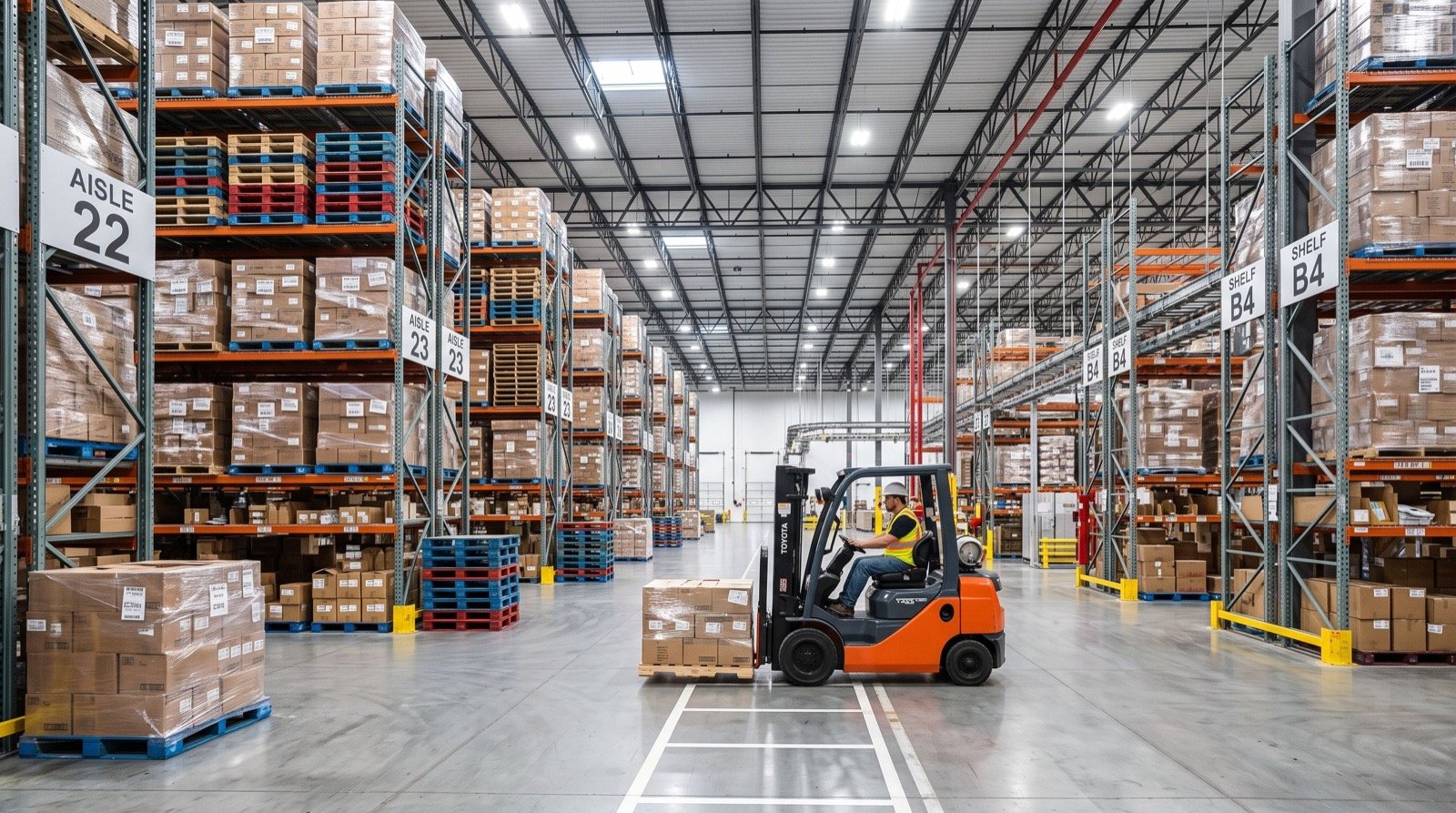
Dammam is no longer just an oil town — it is one of Saudi Arabia’s busiest logistics gateways, and that transformation is reshaping how businesses think about warehousing. For any company moving perishable or sensitive goods through the Eastern Province, access to professional Chilled Storage in Dammam can be the difference between a resilient supply chain and a fragile one. In 2026, with port traffic and regional distribution climbing, the city’s cold and ambient storage network deserves a closer look.
This guide examines why Dammam works so well as a storage hub, how chilled and ambient facilities complement each other, and what local businesses should weigh when choosing where to keep their inventory.
Why Dammam Makes Sense for Chilled Storage in Dammam Operations
Location is everything in logistics, and Dammam’s geography is hard to beat. It sits beside King Abdulaziz Port, connects to the GCC via the causeway to Bahrain, and anchors the industrial corridor linking Jubail and the wider Gulf. Goods can land, be stored, and reach regional markets with minimal transit time.
Saudi ports have invested heavily in capacity and efficiency, and you can follow that infrastructure growth through the Saudi Ports Authority. For perishables, shorter transit between port and chilled chamber means less spoilage and fresher delivery to the end customer.
The Eastern Province advantage
The region combines dense population centres, major industry, and export routes in one compact area. National figures from the General Authority for Statistics show steady growth in trade and consumption, and much of that activity flows through Eastern Province warehouses.
Chilled vs. Ambient: Two Halves of a Complete Strategy
Most distributors need both temperature-controlled and room-temperature space. Understanding where each fits prevents overspending on refrigeration you do not need — and underspending where you do.
| Factor | Chilled Storage | Ambient Storage |
|---|---|---|
| Temperature range | +2°C to +8°C | +15°C to +25°C |
| Energy cost | Higher (active cooling) | Lower (passive) |
| Ideal goods | Dairy, produce, pharma | Canned goods, textiles, packaged dry goods |
| Humidity control | Built in | Often required separately |
| Typical lease flexibility | Moderate | High |
For the shelf-stable half of your catalogue, well-managed Ambient Storage keeps costs down while still protecting goods from heat and humidity extremes. The art is splitting your inventory intelligently between the two.
Benefits Local Businesses Gain From Nearby Cold Storage
Proximity pays off in ways that are easy to underestimate until you experience the alternative:
- Shorter last mile — faster delivery and fewer spoilage write-offs.
- Lower transport cost — fewer refrigerated truck-hours between storage and customer.
- Buffer against demand spikes — hold stock locally for Ramadan, Hajj season, and retail peaks.
- Easier compliance — regional facilities understand Saudi food and import rules.
- Scalability — expand chilled or ambient space as your volume grows.
How Should a Dammam Business Choose Its Storage Partner?
Selecting a facility is a decision you live with daily, so approach it methodically rather than by price alone:
- Map your inventory into chilled vs. ambient portions and size each need.
- Prioritise facilities close to your main delivery routes or the port.
- Demand real temperature logs and proof of backup power.
- Check contract flexibility for seasonal volume swings.
- Confirm the team understands regional regulations and customs.
Many first-time importers lean on reputable service experts for the handling and loading side, then pair them with a storage provider — a combination that smooths out the entire inbound process.
An original tip: plan for the seasonal double-peak
Eastern Province demand does not follow one calendar — it spikes twice, around Ramadan and again during the summer travel and Hajj logistics window. Savvy operators negotiate flexible chilled capacity that scales up for both peaks rather than paying year-round for space they only need a few months annually.
What 2026 Holds for Dammam Warehousing
Expect continued automation, more energy-efficient refrigeration, and tighter integration between port, storage, and last-mile delivery. As e-commerce and quick-commerce grocery models mature, demand for chilled nodes close to Dammam’s neighbourhoods will keep rising. Businesses that lock in flexible, well-located capacity now will be best positioned as competition for prime cold space intensifies.
Integrating Storage With the Rest of Your Supply Chain
Storage does not exist in isolation. The real value of a well-placed Dammam facility appears when it plugs cleanly into transport, inventory software, and your delivery promise to customers. A chilled chamber that cannot share live stock data with your systems forces manual counts and invites error.
Look for providers offering digital inventory visibility, so you can see what is on hand without a phone call. Integration with transport scheduling lets you release goods just as a truck arrives, minimising the dock exposure that causes most temperature excursions.
Think about returns and reverse logistics too. Chilled goods that come back from retailers need somewhere controlled to wait for inspection. A facility that handles both outbound and returns under one roof simplifies your operation enormously. The goal is a single, coordinated flow — from port to chamber to customer and, when needed, back again — rather than a series of disconnected handoffs that each add cost and risk.
Frequently Asked Questions
Why choose chilled storage in Dammam over another city?
Dammam combines port access, Gulf connectivity, and dense regional markets. Storing perishables there shortens transit time to Eastern Province customers and export routes, reducing spoilage and transport cost compared with warehousing further inland.
What is the difference between chilled and ambient storage?
Chilled storage actively cools goods to +2°C to +8°C for perishables, while ambient storage holds shelf-stable items at a controlled room temperature of roughly +15°C to +25°C. Most distributors use a blend of both.
Can I scale my storage up during Ramadan or Hajj season?
Yes, if you negotiate flexible terms. Eastern Province demand peaks around Ramadan and the summer Hajj window, so choose a provider that lets you expand chilled and ambient capacity for those periods.
Do Dammam facilities handle import compliance?
Reputable regional facilities understand Saudi food, pharmaceutical, and customs requirements. Confirm that your chosen provider is familiar with the rules for your specific product category before committing.
Conclusion
Chilled Storage in Dammam sits at the heart of a logistics ecosystem that keeps getting stronger — fed by a world-class port, a dense regional market, and smart 2026 investment in cold-chain infrastructure. By splitting inventory intelligently between chilled and ambient space, choosing a well-located partner, and planning for seasonal peaks, Eastern Province businesses can build a supply chain that is both cost-efficient and resilient. Start by mapping exactly how much of your stock truly needs cooling — then match that profile to the right local facility.