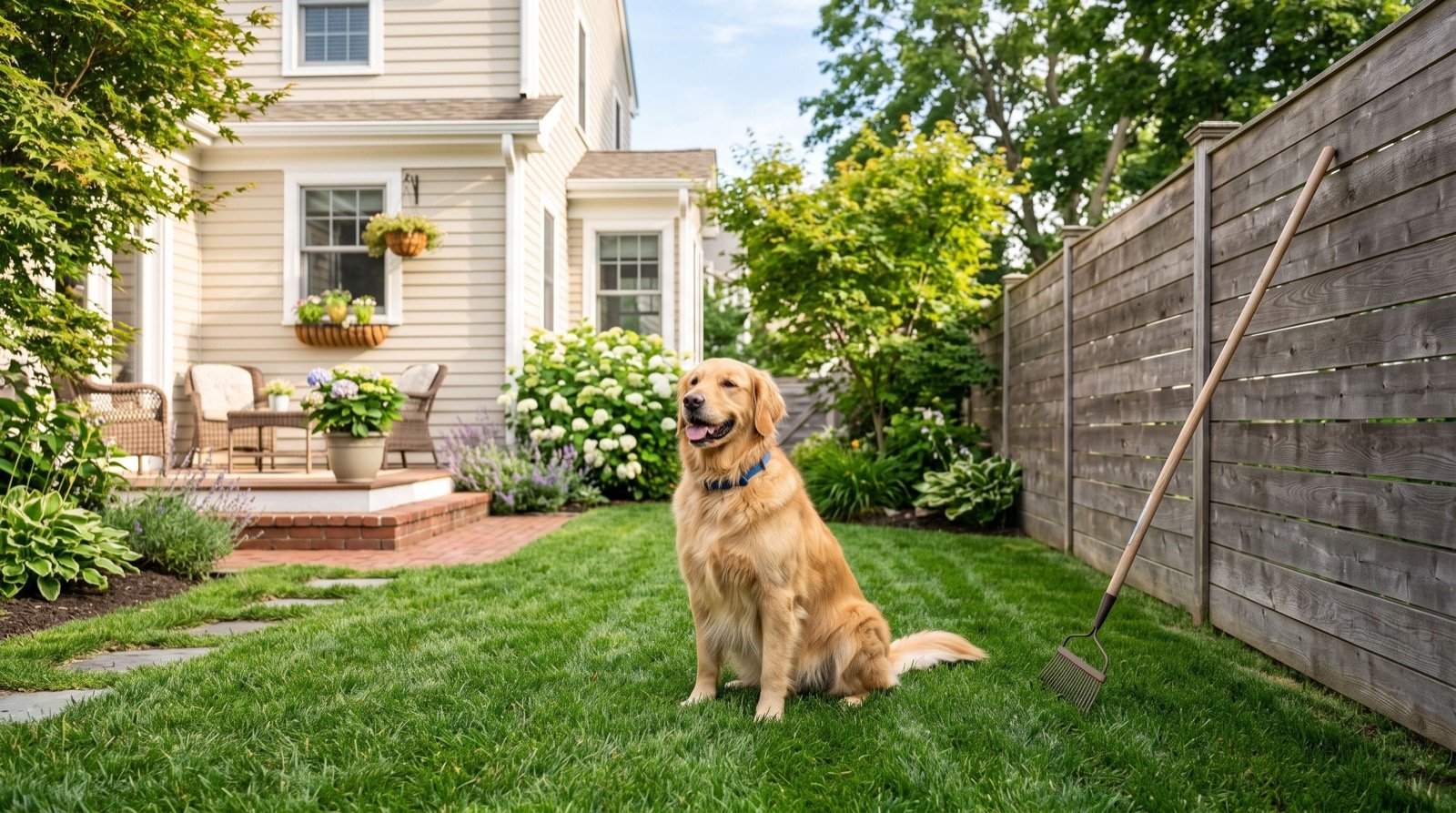
Best Dog Poop Bag Buyer’s Guide: 7 Things to Check in 2026
Choosing the right dog poop bag sounds simple until you stand in the pet aisle facing forty near-identical rolls. The truth is that a good dog poop bag protects your hands, respects the environment, and survives a full walk without a single leak. This guide walks you through materials, thickness, scent control, and eco impact so you buy once and buy right.
After years of cleaning up after two large-breed dogs, I have learned that the cheapest roll is rarely the best value. Thin bags tear, weak seams split, and mystery “biodegradable” claims often mean very little. Below, I break down every factor that actually matters so your next purchase is an easy, confident one.
Why the Right Dog Poop Bag Matters More Than You Think
Pet waste is not harmless fertilizer. According to the U.S. Environmental Protection Agency, pet waste carried by stormwater adds bacteria and excess nutrients to lakes and streams. Bagging and binning waste correctly is a small act with real downstream benefits.
A quality bag also protects you. A sturdy, opaque, leak-resistant bag keeps your hands clean and your walk pleasant. When you pair the right bag with a good Dog poop bag dispenser and scooper, cleanup stops being a chore and becomes a two-second habit.
The hidden cost of cheap bags
Bargain rolls feel like a win at checkout, but they cost more over time. Bags that tear force you to double-bag, so you burn through two bags per pickup. Weak seams also mean the occasional messy failure, which no owner wants on a cold morning.
Dog Poop Bag Materials: Biodegradable vs Compostable vs Standard
The label on the box is where most confusion starts. Three broad categories dominate the market in 2026, and each behaves very differently once it leaves your hand.
- Standard polyethylene: Cheap, strong, and reliable, but petroleum-based and slow to break down.
- Biodegradable / oxo-degradable: Often plastic with additives that speed fragmentation; claims vary widely and can be misleading.
- Certified compostable: Plant-based materials (usually cornstarch) that break down in the right facility, verified to standards like ASTM D6400.
“Biodegradable” is the trickiest word. Without a facility and the right conditions, many biodegradable bags simply fragment into microplastics. Certified compostable bags, by contrast, are tested against standards such as ASTM D6400, which sets measurable requirements for how a material disintegrates.
Which material should you pick?
If your municipality accepts pet waste in industrial composting, choose certified compostable. If your waste heads to a landfill, honestly a strong standard bag that never leaks is often the more responsible real-world choice. Match the bag to where your waste actually ends up, not to the greenest-sounding label.
Thickness, Mil Ratings, and Size
Thickness is measured in mils, where one mil equals one-thousandth of an inch. A higher mil rating means a thicker, tougher wall that resists punctures and tears. For most dogs, aim for a bag in the 0.7 to 1.0 mil range; large-breed owners should push toward the top of that range.
Size matters too. A bag that is too small forces awkward, messy handling, while an oversized bag wastes material. Look for a bag roughly 9 by 13 inches for comfortable coverage with room to knot the top securely.
Comparison table: dog poop bag types at a glance
| Bag Type | Typical Thickness | Eco Profile | Best For |
|---|---|---|---|
| Standard polyethylene | 0.6–0.8 mil | Durable, not biodegradable | Budget buyers, landfill areas |
| Extra-thick standard | 0.9–1.2 mil | Very durable, not biodegradable | Large breeds, yard cleanup |
| Certified compostable | 0.7–0.9 mil | Composts in proper facility | Eco-focused, compost access |
| Scented / dispenser rolls | 0.7–1.0 mil | Varies by brand | Odor-sensitive walkers |
Scent Control, Dispensers, and Everyday Convenience
Odor is the deal-breaker on a long walk home. Scented bags mask smell with a light lavender or baby-powder fragrance, while unscented bags rely on a tight knot and thick walls. If anyone in your home is sensitive to fragrance, choose unscented and knot firmly.
A dispenser turns a loose roll into a grab-and-go system. Clip one to the leash, feed the roll through the slot, and you never fumble for a bag again. Quality dispensers also keep bags dry and dust-free at the bottom of a bag or pocket.
- Load a fresh roll into the dispenser and thread the first bag through the opening.
- Clip the dispenser to the leash handle or your belt loop.
- Pull one bag, tear at the perforation, and scoop.
- Knot the top twice and bin it in a covered receptacle.
For yard duty, pair your bags with a long-handled tool so you never bend or touch the ground. If you have searched for a Pooper scooper near me, a stand-up scooper plus a thick bag is the combination that saves your back and your knees.
How Do You Know a Dog Poop Bag Is Actually Leak-Proof?
Test it before you trust it. Fill a bag with water, hold it over a sink, and gently squeeze; a leak-proof bag shows no seepage at the seams or corners. Opaque bags also hide contents and add a layer of visual privacy that clear bags cannot.
Check the seams specifically. Heat-sealed bottom seams are stronger than folded ones, and a wider seal resists splitting under weight. When you find a bag that passes the water test and holds a firm knot, stock up and stop experimenting.
Buying in bulk without regret
Bulk buying lowers your cost per bag dramatically, but only commit after you have confirmed a brand you trust. Store extra rolls in a cool, dry drawer away from sunlight, which can weaken plastic over time. If you want local recommendations, reputable quality service providers often share the products they rely on daily.
Frequently Asked Questions
Are biodegradable dog poop bags better for the environment?
Only if they reach a facility that can break them down. In a standard landfill, most biodegradable bags behave much like regular plastic. If you lack composting access, a durable standard bag that never leaks is often the more practical eco choice.
What thickness of dog poop bag do I need for a large dog?
Aim for 0.9 mil or higher for large breeds. Thicker walls resist punctures from sharp yard debris and hold heavier loads without stretching or tearing during the walk home.
Can I flush dog waste instead of bagging it?
Most guidance advises against flushing because bags and even flushable liners can clog home plumbing and municipal systems. Bagging and binning in a covered receptacle remains the safest, cleanest routine for the vast majority of households.
How many dog poop bags will I actually use per month?
Plan for roughly two to four pickups per dog per day. That means a single dog owner typically uses 60 to 120 bags a month, so buying a large multi-roll pack usually delivers the best value.
Final Thoughts and Your Next Step
The best dog poop bag is thick enough to trust, sized for easy handling, honest about its eco claims, and matched to where your waste actually ends up. Start with a leak test, favor a proper mil rating, and keep a dispenser stocked so cleanup never slows you down.
Ready to upgrade? Grab a reliable dog poop bag roll, pair it with a stand-up scooper, and turn daily cleanup into a two-second habit in 2026. Your hands, your back, and your local waterways will thank you.